Or how writing a fantasy novel is an epic adventure in itself
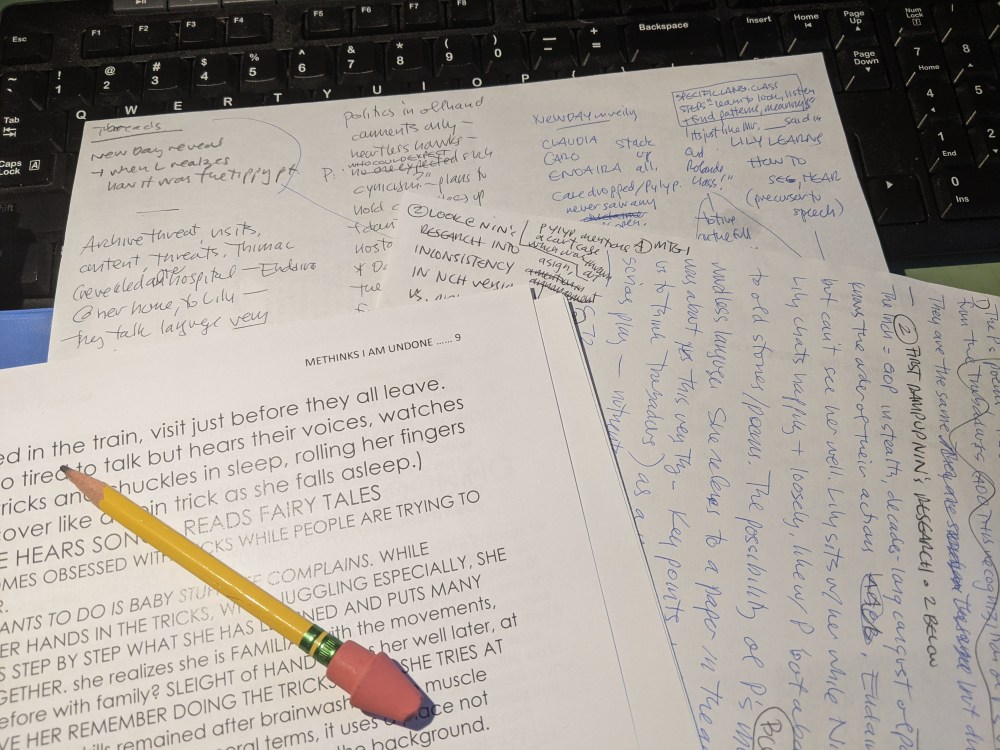
When the pandemic hit, my employer made me stay home with pay for 6 weeks before returning full time. I knew this was not a situation which was likely to happen again so I decided to try and double down on my effort to complete the first draft of a novel I’ve been pretending to work on.
For years.
In one way, being involved in your story’s world for a long time can lend calm to the process. Things get to percolate and rearrange themselves without the burden of urgency. I love finding notes for possible twists or character developments which turn out to be useful in different ways than expected. And it’s a blast to encounter something unexpectedly wonderful in history which you can spend a bit more time with by writing a similar dynamic in your story.
Any long project is informed by your life as it runs alongside. Fall colors enter the weft of a weave after a sunny walk through bright, dying leaves. Humor enlivens a meeting which causes a bold devil-may-care pronouncement to sky dive through your character’s self-deprecation and land, deftly, if you’re lucky, at wisdom on a laugh. Literally anything you read or experience in your life can inform your stories so, the longer you live with them, the more source material you have to draw from.
Eventually, though, you’re probably going to want to finish your story.
I started with about 80 double-spaced pages and now have around 470 pages of a first draft, with 20-30 pages of notes yet to go. It’s been a challenge trying to fit in from 30 to 120 minutes most days working on this thing which means just about more to me than anything but my family at this point.
Be aware that this whole project sometimes feels like you’re on the ocean with no landmarks in sight and the only thing between you and the watery depths below is a sheet of 4 ply corrugated cardboard held up by three of those inflated hobby balls with handles tied to three of the corners. Oh, look. The sky has suddenly darkened to an ashy violet and is that wind?
I am in no way an expert and have only read a handful of books about writing but I suspect that doing is a better teacher than reading about any craft. Making your own mistakes is more memorable. Given that, in case it’s helpful to anyone else dancing with their first behemoth, these are some of the things which seem to help me.
I started by writing the prehistory of the world which I thought might be an independent story but now doubt it would make exciting reading. It did, however, make that early history real to me. The stories and songs sung in the centuries since, all the way to the present in my story, seem more alive to me, as do those characters from way back when.
I outlined the basic rise and fall of the action, the injustice to justice and the, hopefully, resonant ending. Subplots began as characters which eventually looked silly without lives of their own. It’s been funny thinking you know your characters only to watch the least promising one hiding in the corner become the ruler of the underdogs.
I think that watching the subplots, with their swirls and eddies, veer away and come back to the main story has been just about the most fun of all. They’re like icing on the cake.
I’ve mentioned these specific things before:
Whitenoise
https://mynoise.net/NoiseMachines/cafeRestaurantNoiseGenerator.php
https://www.youtube.com/watch?v=h2zkV-l_TbY
Small notebooks. Cheap work as well as the expensive.
An occasional writing class can help you find stellar writing buddies.
When you feel excited about something you’ve written, even if no one will see it for years, own that and keep working with a will. Don’t give up. Try to find other writers to work with, have coffee with. Believe you can do it because you can.
When you leave your house to go somewhere you’ve never been, you believe that place exists and that there are mechanisms like roads, trains, telephones to help you find it. You won’t see the whole picture of a big project for a long time, just hills in the distance until you write the scene where they walk up that steep scree, on their hands and knees more than their feet. Then you get to write about blisters, how they pad their shoes and more.
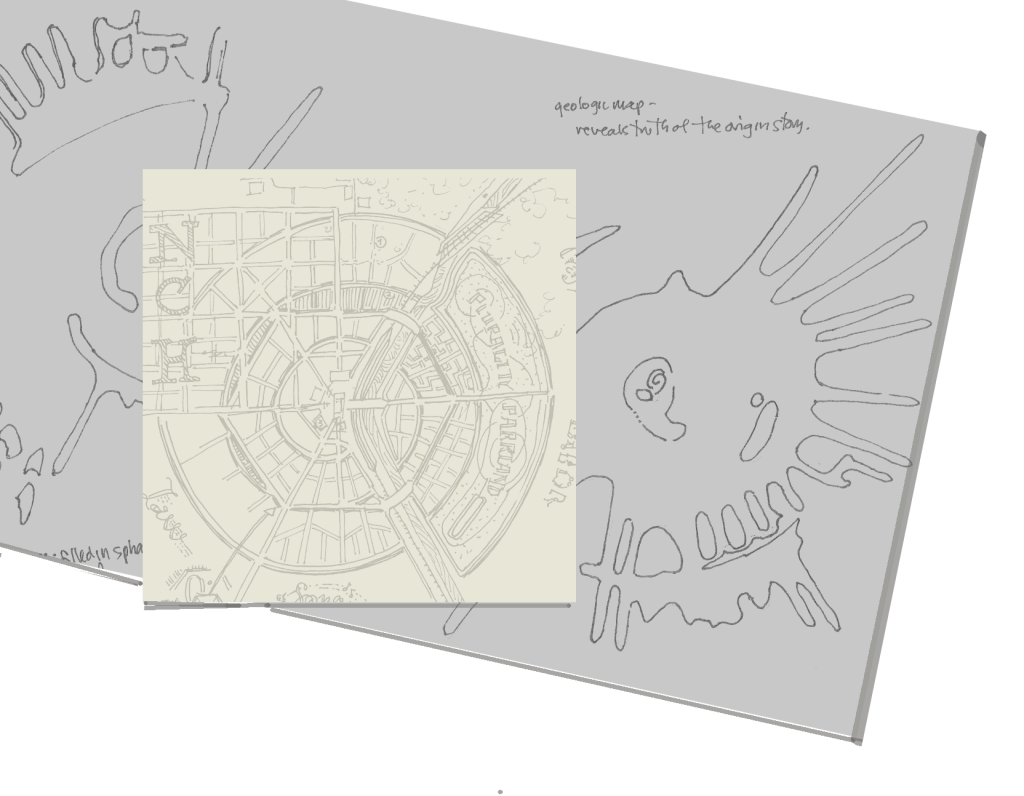
And, when you’re stuck, you can always look at the geography of your story and try to make a map! If nothing else, you’ll learn a bit about mountains, mineral deposits and waterways.
.
 these fine collapses @ desmonddahm.com